Demystifying Swiss Banking Regulations: What You Need to Know
Understanding the Basics of Swiss Banking Regulations
Switzerland has long been synonymous with banking excellence, offering a system known for its privacy and stability. However, navigating Swiss banking regulations can be daunting for those unfamiliar with the landscape. Understanding these regulations is crucial for anyone looking to engage with Swiss banks, whether for personal or business purposes.
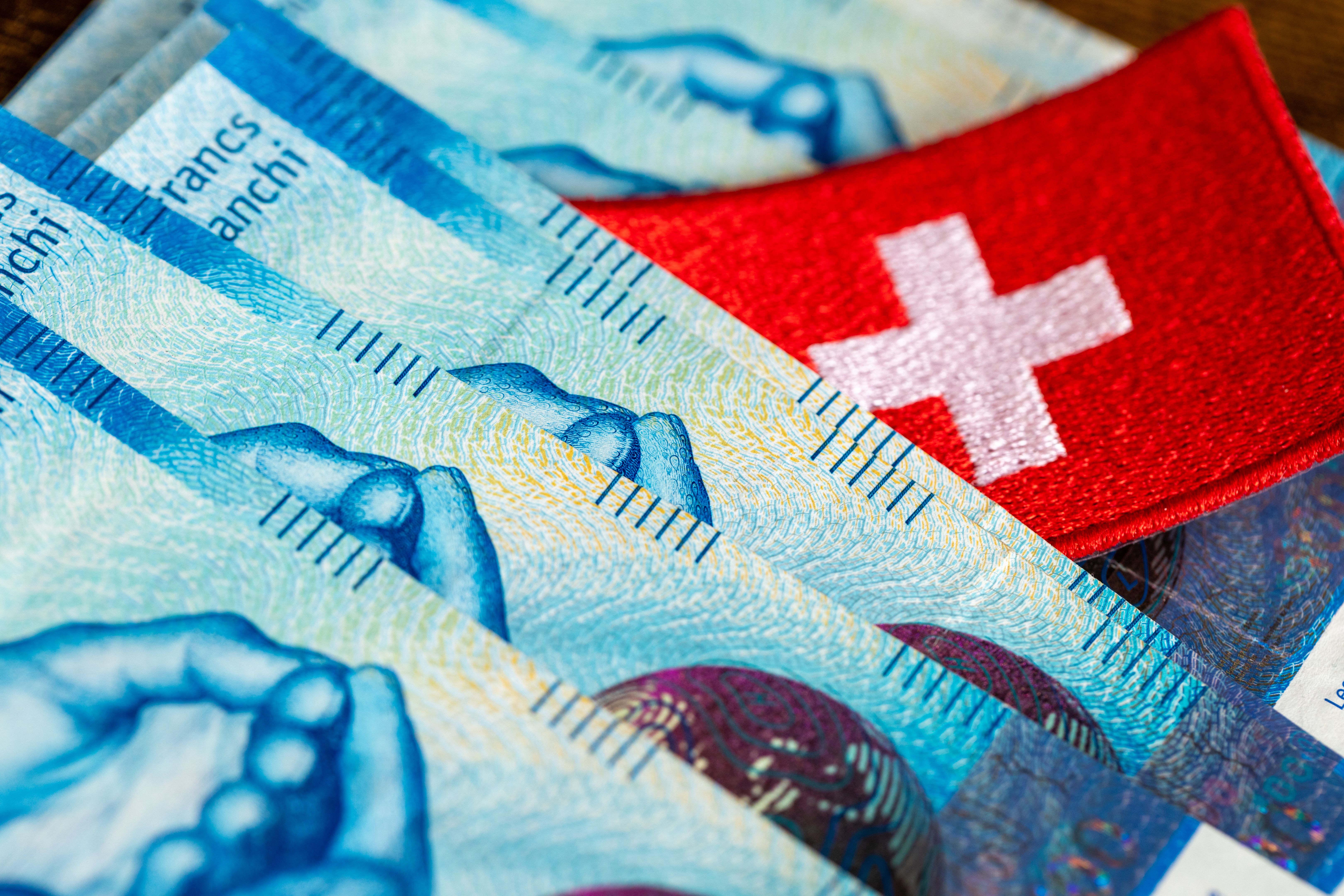
Swiss banking laws are designed to protect both the client and the financial institution. These regulations ensure that banks operate within a framework that prioritizes security and confidentiality. The Swiss Financial Market Supervisory Authority (FINMA) plays a pivotal role in overseeing these operations, ensuring compliance with national and international standards.
The Role of FINMA
The FINMA is the primary regulatory body in Switzerland, responsible for overseeing financial markets and institutions. Its main objectives are to protect creditors, investors, and policyholders, as well as to ensure the smooth functioning of the financial markets. FINMA's stringent guidelines help maintain the integrity and stability of the Swiss financial system.
Due to its comprehensive oversight, FINMA has established Switzerland as a leader in financial regulation. It actively collaborates with international regulatory bodies to align Swiss banking practices with global standards.

Privacy and Confidentiality
Swiss banking is renowned for its privacy, but this does not mean it operates without transparency. While client confidentiality is paramount, Swiss banks must adhere to international agreements such as the Automatic Exchange of Information (AEOI), which mandates the sharing of financial account information with tax authorities worldwide.
Furthermore, Swiss banks have adopted the Common Reporting Standard (CRS) developed by the OECD. This standard enhances transparency and helps combat tax evasion by requiring banks to report financial information of non-resident clients.
Anti-Money Laundering Measures
Switzerland has implemented robust anti-money laundering (AML) measures to prevent illicit activities. Banks are required to perform thorough due diligence on clients, including identifying the beneficial owners of accounts and monitoring transactions for suspicious activity.

The Swiss Anti-Money Laundering Act mandates that financial institutions report any suspicious transactions to the Money Laundering Reporting Office Switzerland (MROS). This proactive approach helps maintain the integrity of the Swiss banking system.
Opening a Swiss Bank Account
Opening an account in Switzerland involves a detailed process to ensure compliance with regulatory standards. Potential clients must provide comprehensive identification and documentation, including proof of residence and the source of funds.
While the process may seem rigorous, these measures are in place to protect the bank and its clients. Swiss banks prioritize security and compliance, making them a reputable choice for international banking needs.

In conclusion, Swiss banking regulations are designed to balance privacy with the need for transparency and compliance. By understanding these regulations, clients can make informed decisions and enjoy the benefits of Switzerland’s robust financial system. Whether you're considering opening an account or simply exploring options, being well-versed in these regulations is essential.